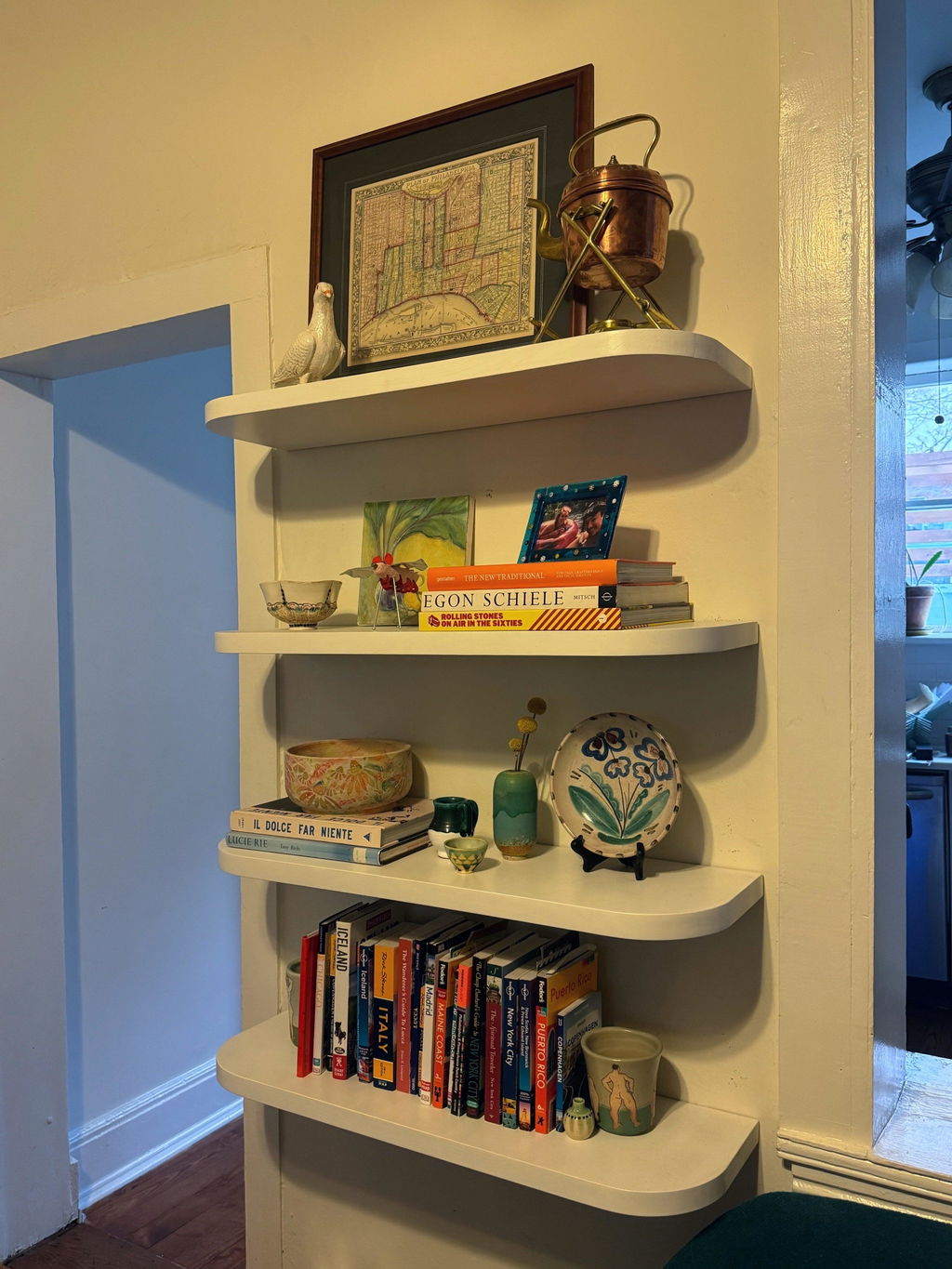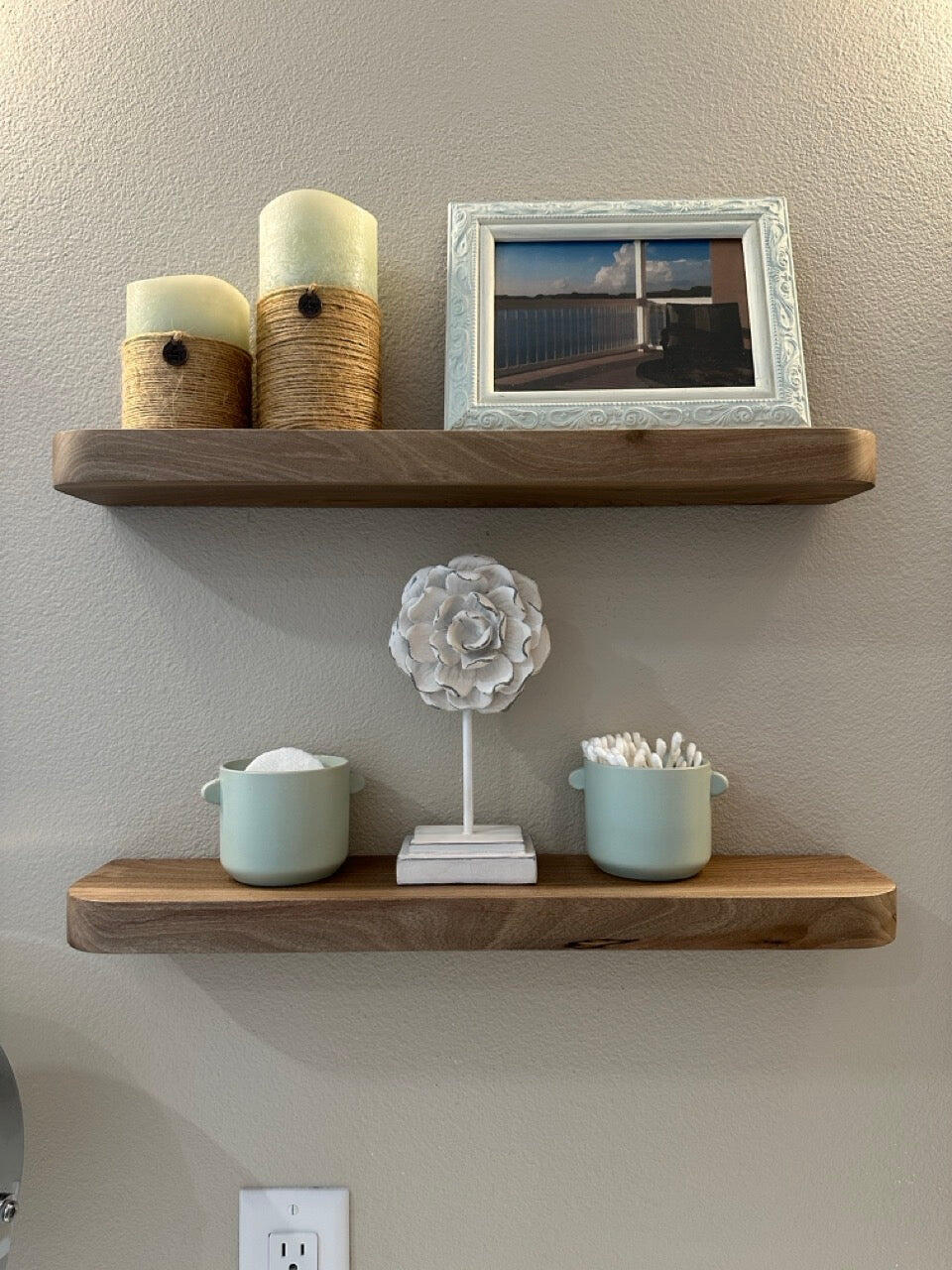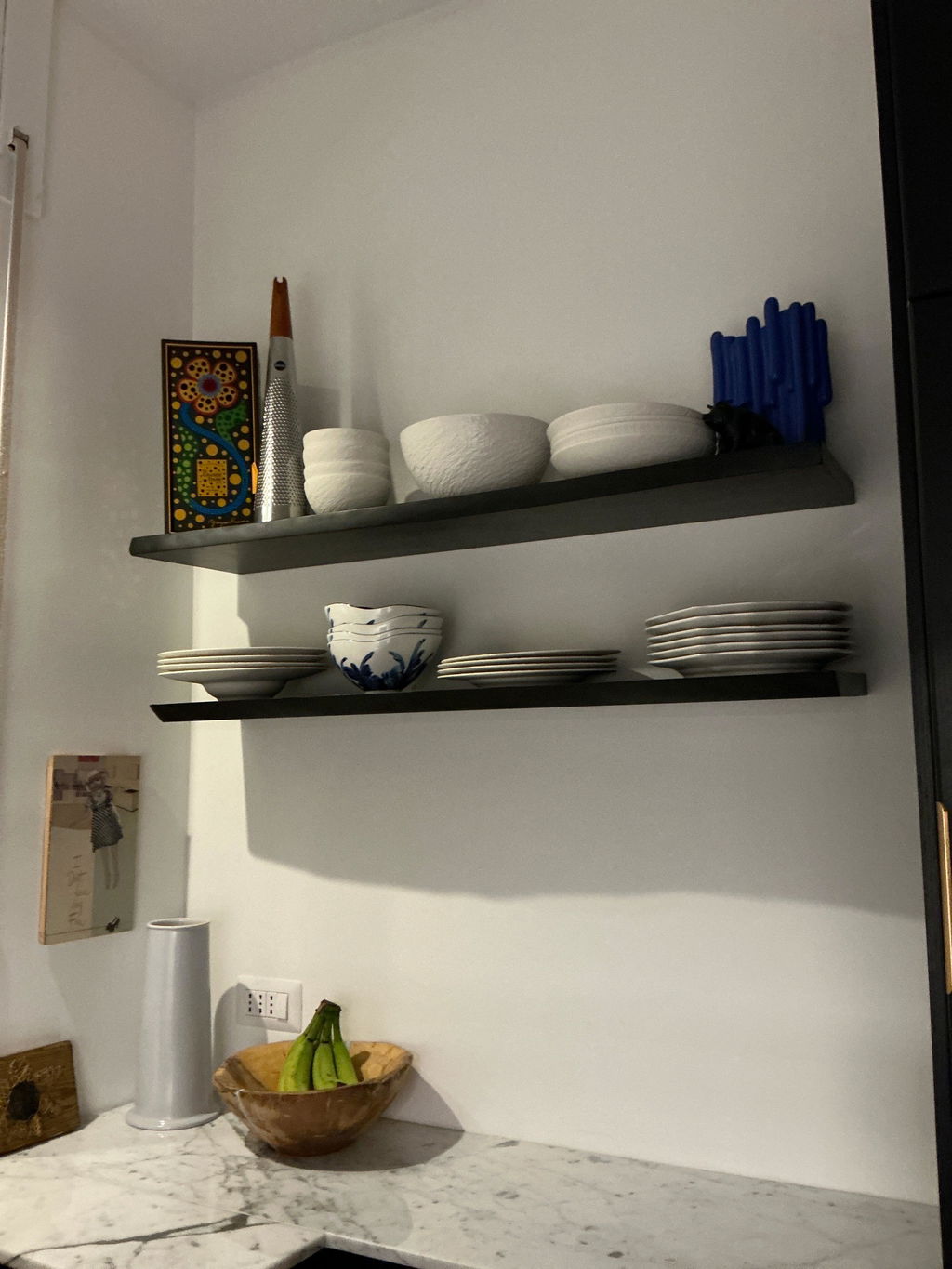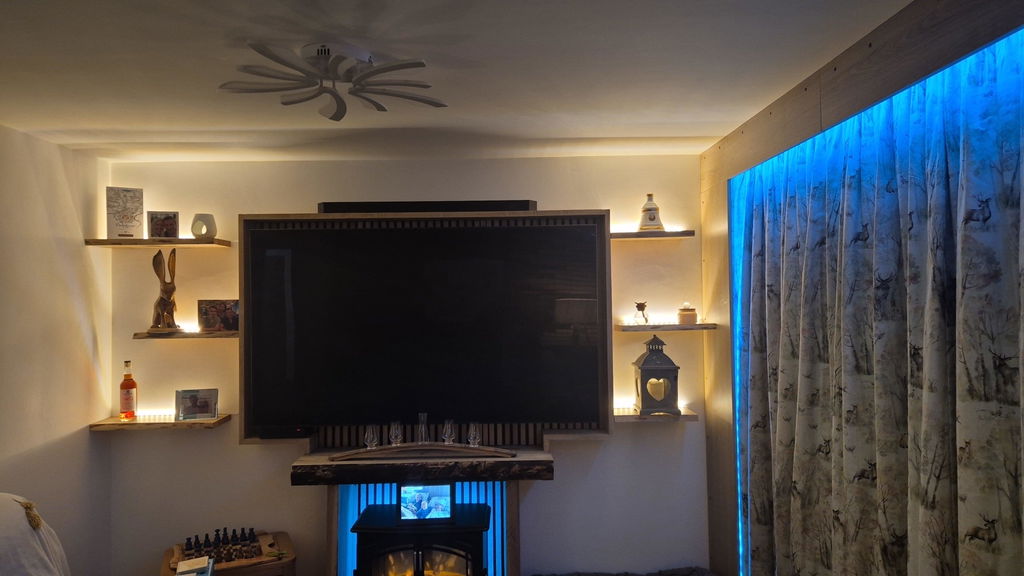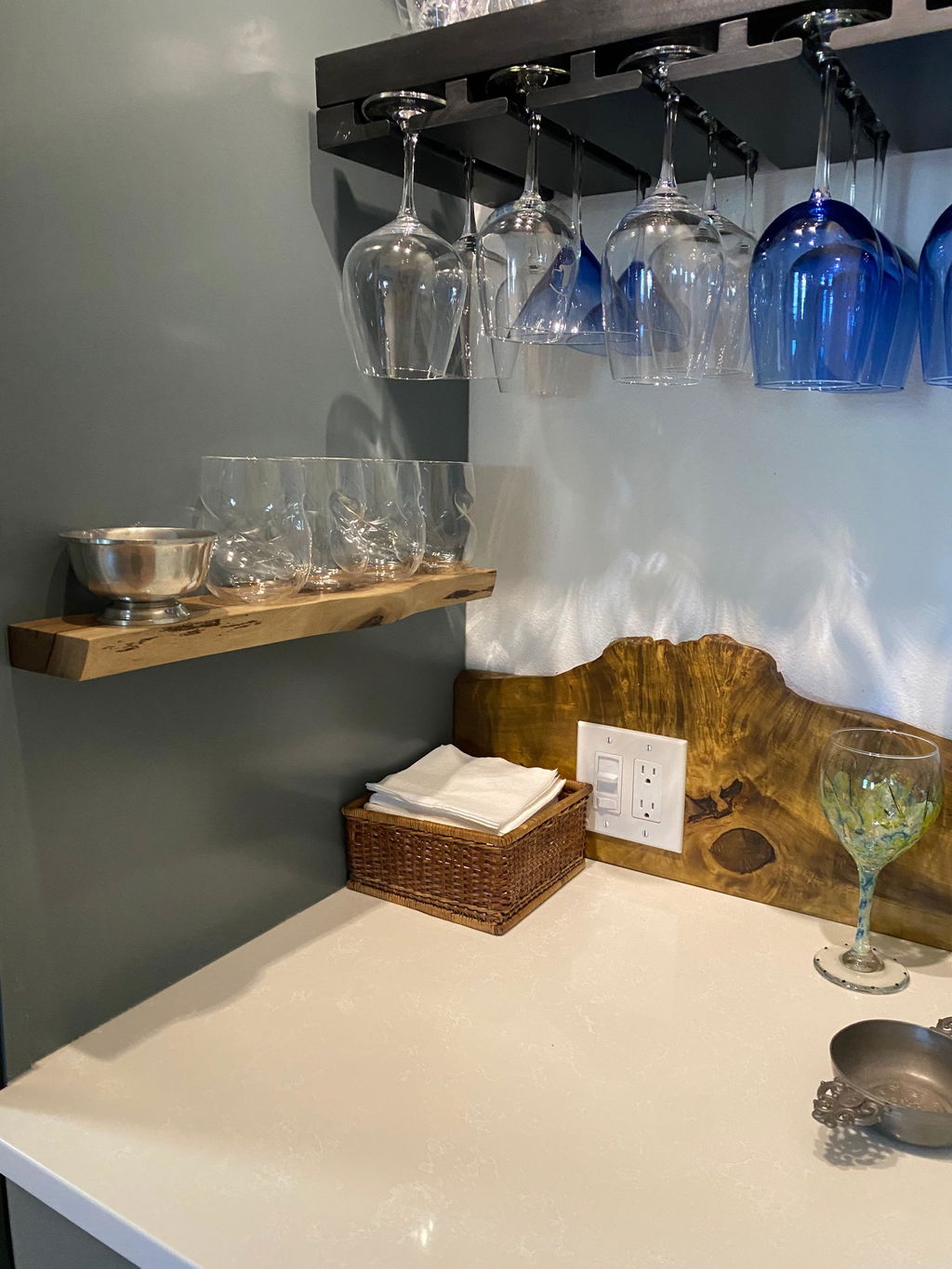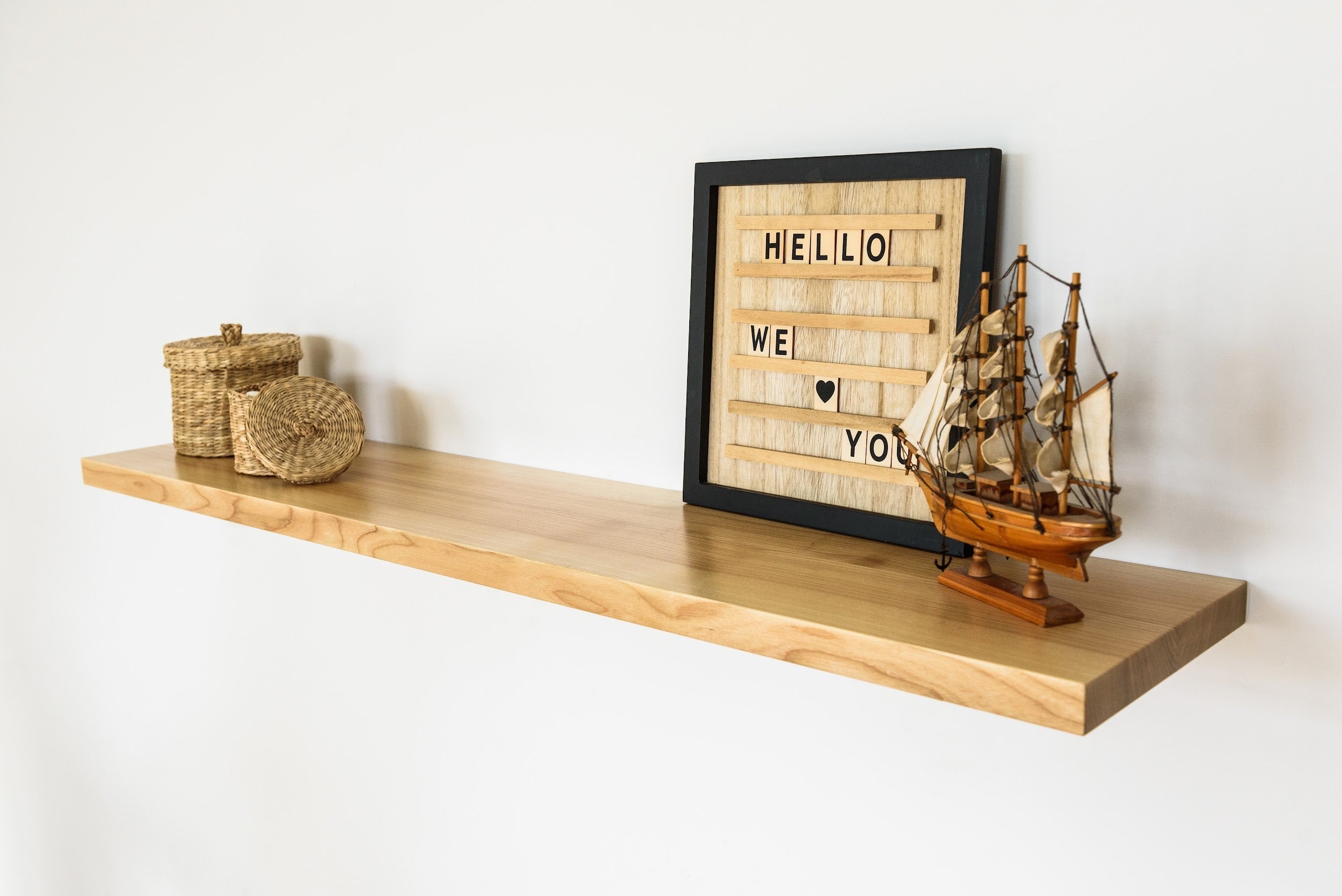
Floating shelves have become a favorite interior design solution because they feel both modern and enduring. A single shelf can instantly enhance an entryway, open shelving can replace upper cabinets to give a kitchen a lighter, more refined feel, and a few compact shelves can bring balance and functionality to a bathroom. The possibilities for transforming your space are endless.
However, mounting the shelves is only the beginning. Once they’re installed, the real work begins — styling them. If decorating floating shelves feels intimidating, it doesn’t have to be. One of the biggest advantages of floating shelf décor is its flexibility: the look can be easily personalized and refreshed whenever your style or needs change.
Custom floating shelves not only provide practical storage but also offer the perfect opportunity to add character and individuality to your home.

Decorating With Floating Shelves
Decorating with floating shelves is more than just placing items on them — it starts with selecting and installing the right shelves. On their own, floating shelves are a design feature, capable of enlivening blank walls, providing stylish storage in living areas or laundry rooms, and adding depth and interest to bathrooms.
Choosing the wrong shelves can upset the balance of a room. The wood type, finish, or color may clash with existing elements, while poorly sized shelves can feel awkward or out of place. Custom-made shelves solve this problem by being designed specifically for your space, unlike standard pre-sized options that often require compromises. Investing in shelves tailored to your room ensures a perfect fit and polished look.
When selecting wood or finish, consider the room’s overall tone. Warm tones like brown, tan, and orange pair beautifully with warm wood finishes, while cooler tones such as gray, blue, or green look best with cooler finishes. Matching the shelf finish to the room’s color palette creates a cohesive and harmonious appearance.
For example, warm walls and flooring complement a warm-stained shelf perfectly. Cooler accents — like toys or greenery — provide contrast without overwhelming the space, resulting in a balanced, professionally styled look where the shelves feel naturally integrated.
If your room mixes warm and cool tones, choose a shelf finish that works with both the walls and the floor. While décor can easily change over time, walls and floors are permanent elements. Shelves that harmonize with these foundational features provide a neutral canvas for your styling creativity.
When in doubt, matching the shelf color to the wall is a simple way to achieve a clean, sophisticated look, often used to mimic built-in shelving. If an exact match isn’t available, unfinished shelves can be painted to blend seamlessly with the walls.

To determine the right shelf length, use painter’s tape on the wall to visualize different sizes. This is particularly useful when installing multiple shelves, as it helps you see proportions and spacing. Take into account the shelf’s purpose, foot traffic, and overall room layout before finalizing the dimensions. Outlining the shelf’s full size, including thickness, can reveal its visual impact before installation.
For narrow or half-height walls, extending shelves nearly from edge to edge creates a high-end, cohesive appearance. Leaving less than an inch of space on each side gives the shelves a polished, intentional look, while shorter shelves can feel awkward or incomplete in these areas.